Featured





PERSPECTIVES THAT MATTER*
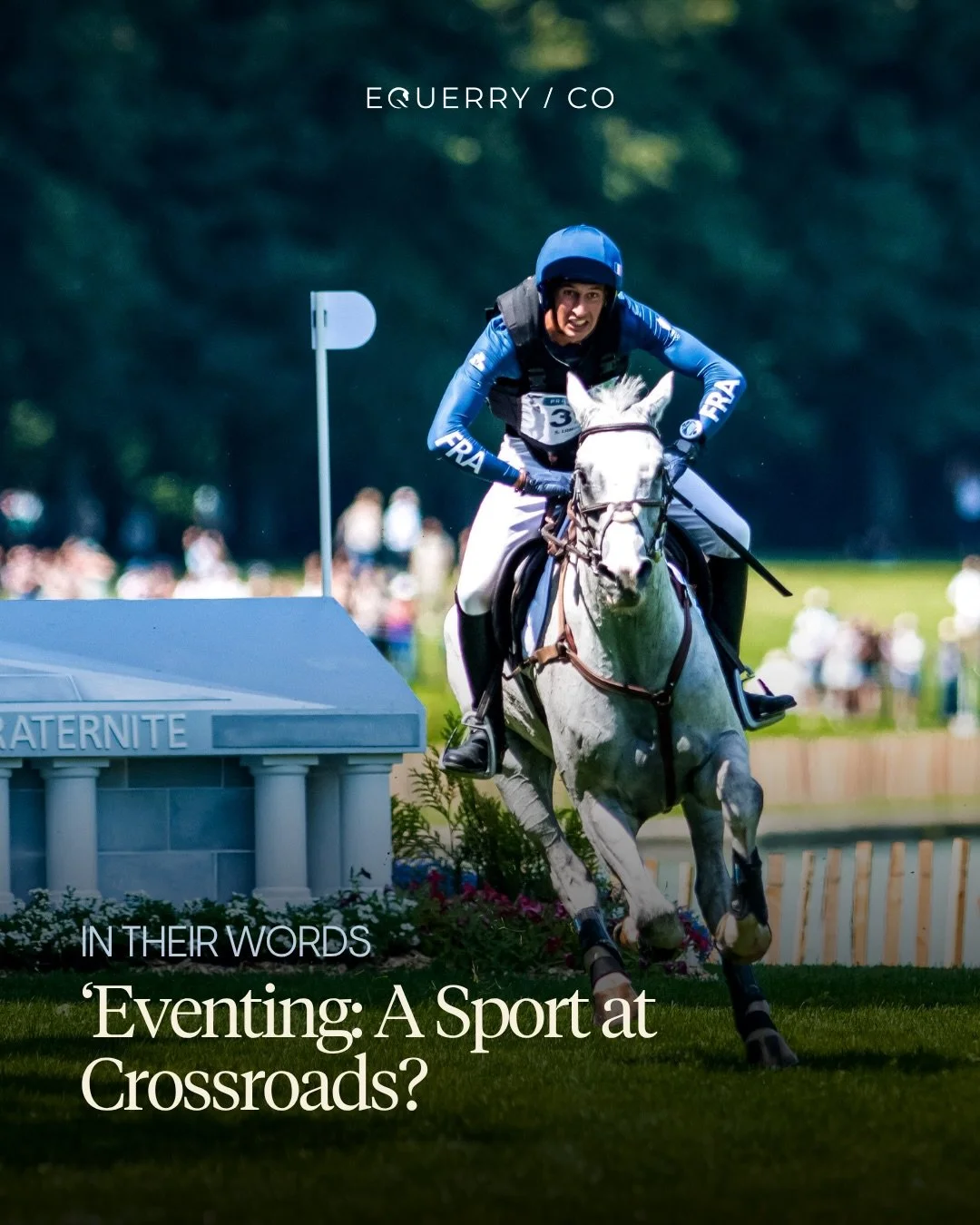
“In simplifying the sport at lower levels, there is a risk of narrowing the pathway to the top.”
Featured

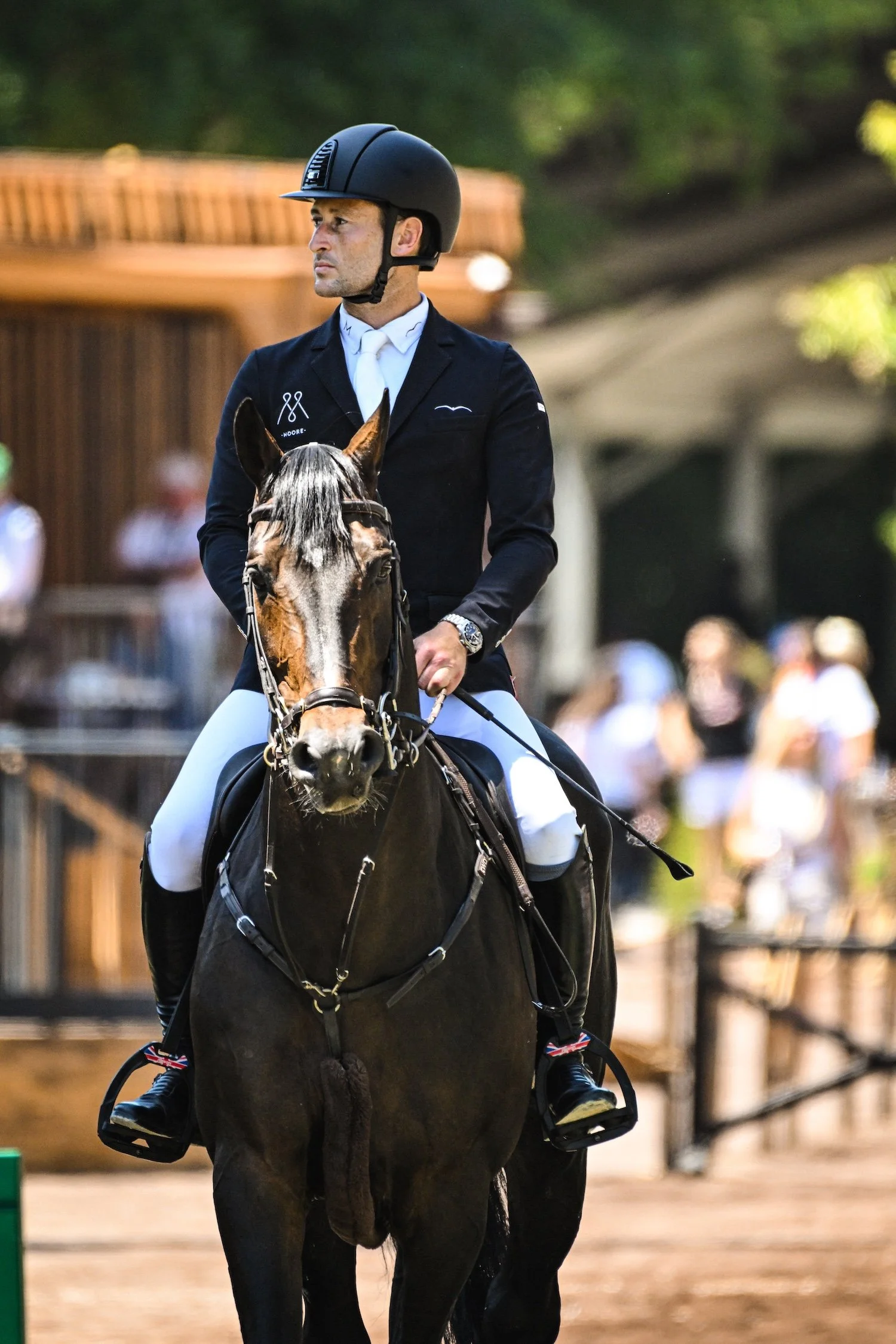
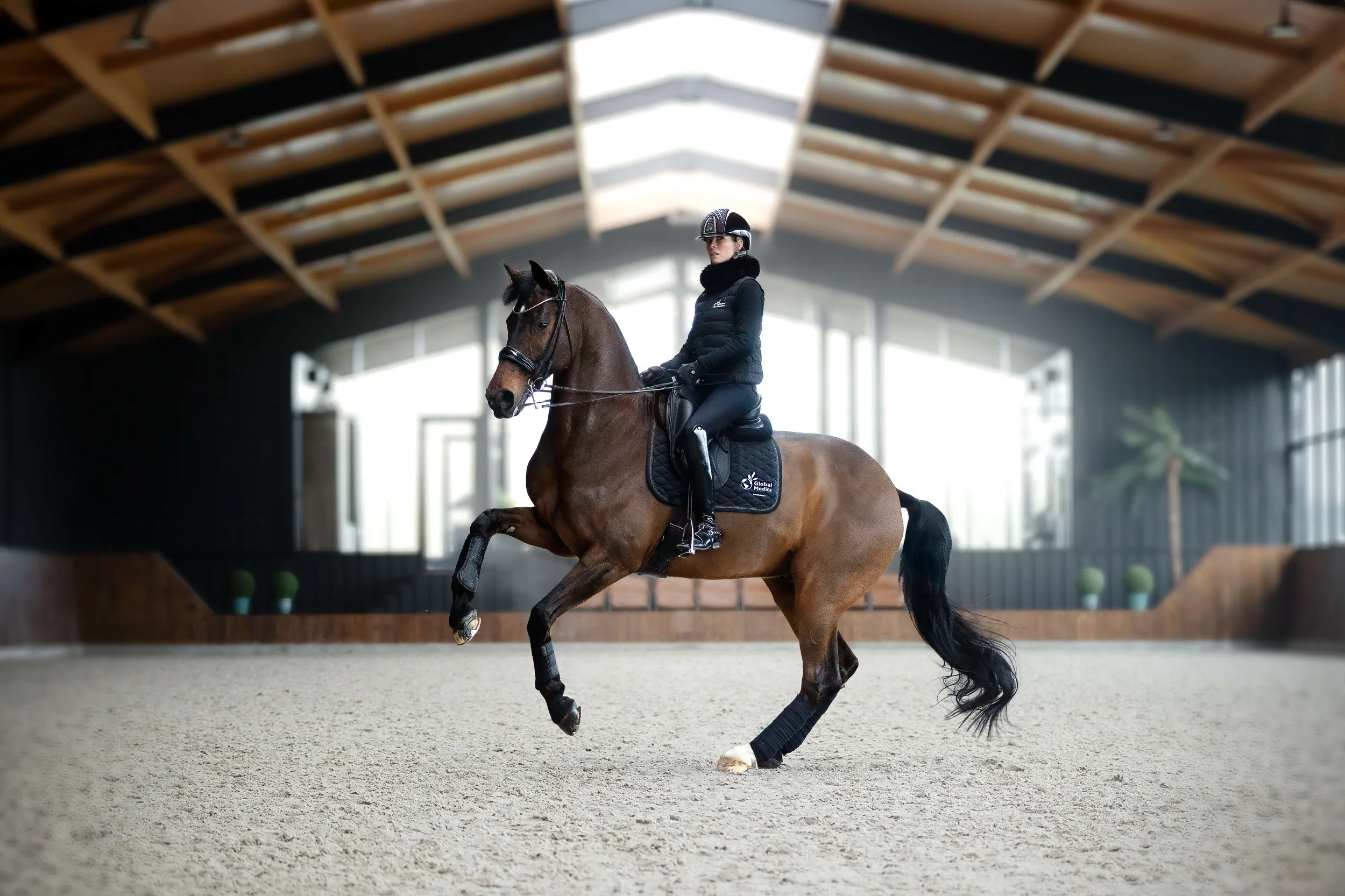
What do 5* horses actually do when they’re not in the ring?
Ahead of the Rolex Grand Prix in Rome, we caught up with British rider Adrian Whiteway to talk about life behind the scenes at the top level.
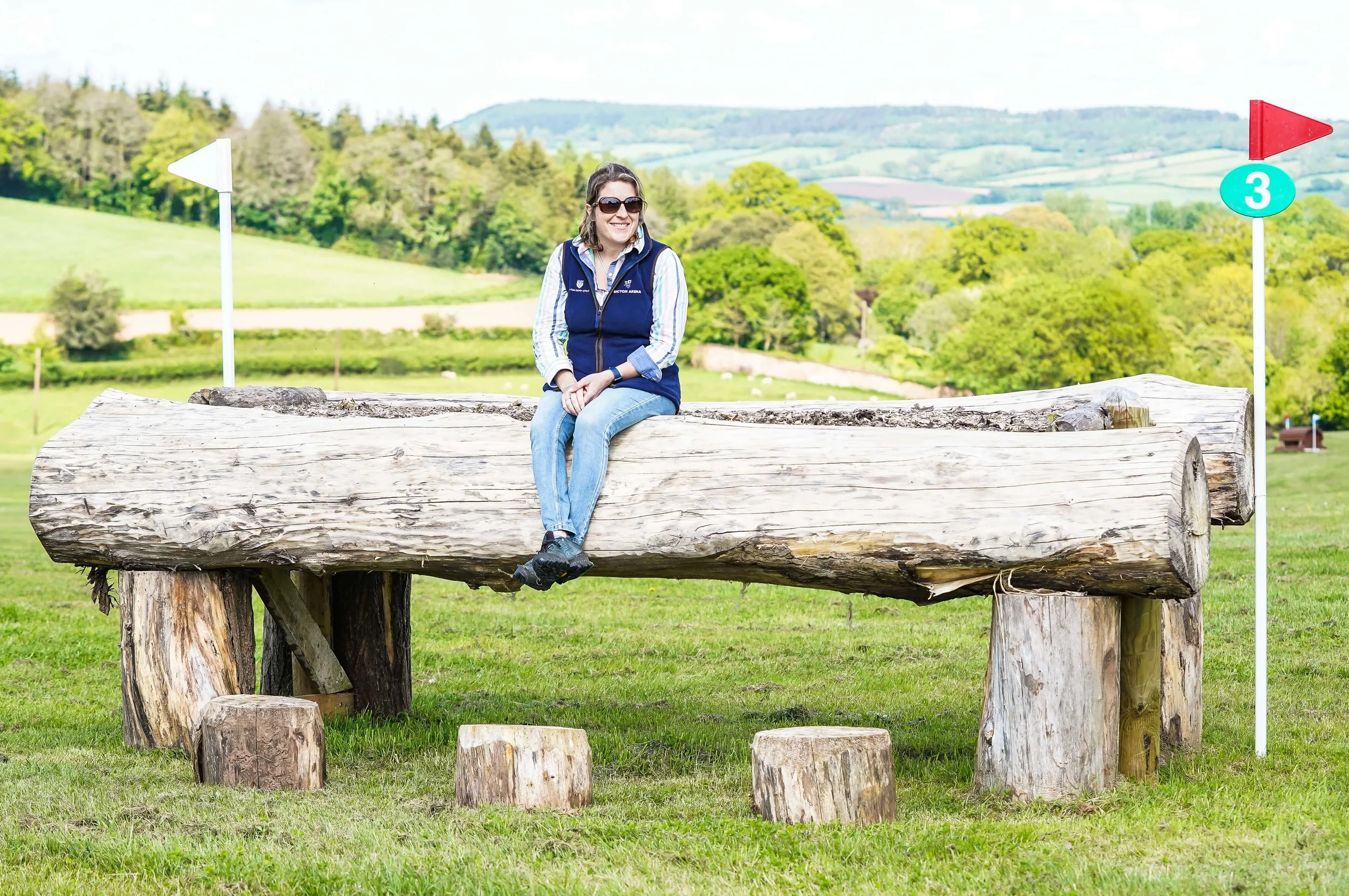
Behind every cross country track lies a complex balance of welfare, logistics, finance, and public perception. In this behind the scenes conversation, Helen West reflects on the realities of organising modern eventing, the evolution of course design, and the challenges shaping the future of the sport.
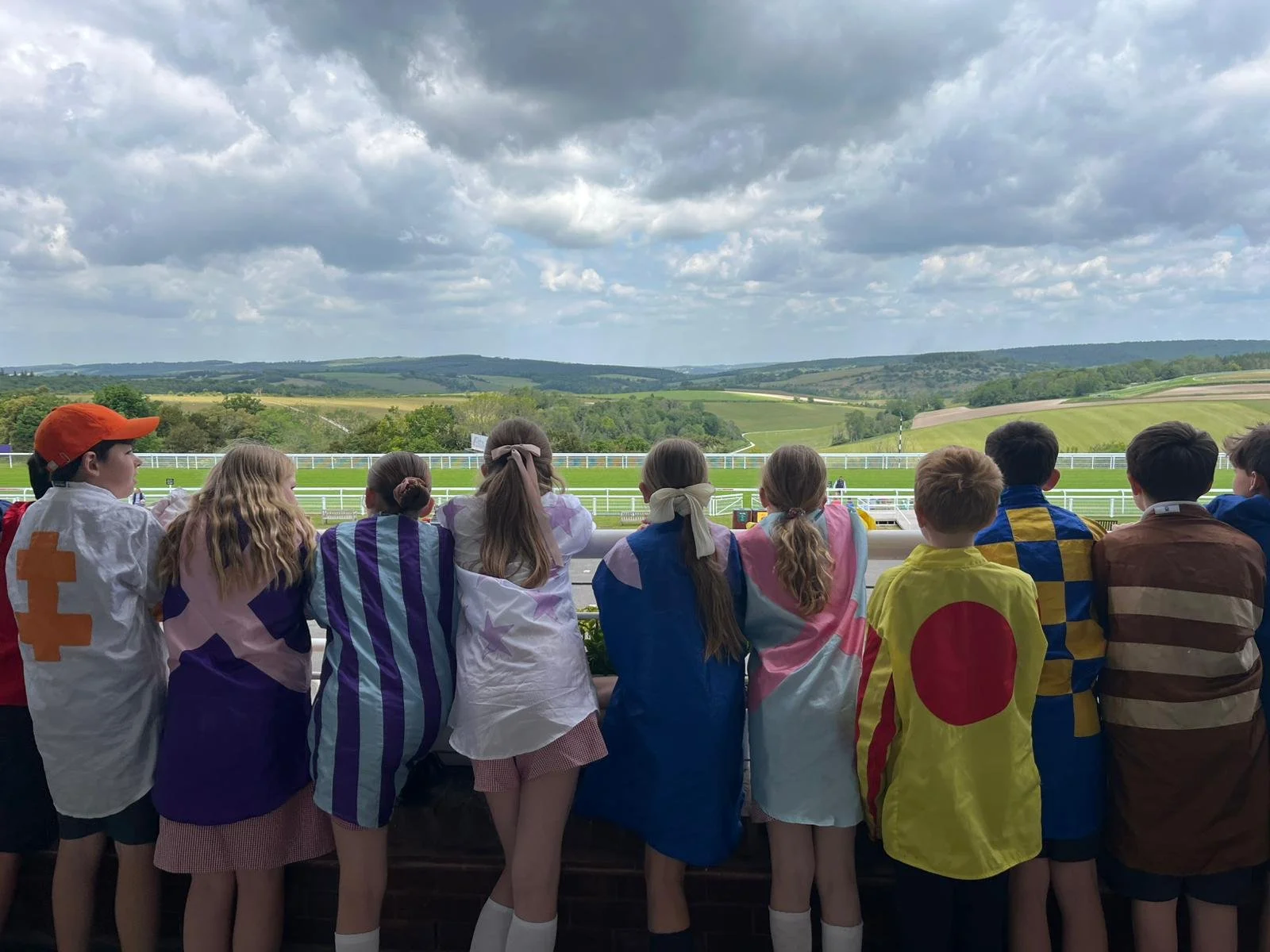
As equestrian sport faces growing conversations around accessibility, welfare, and public engagement, Racing to School is creating new pathways into racing through education and community connection. In conversation with John Blake, we explore how the programme is helping young people engage with the sport, challenging perceptions around racing, and building a more inclusive future for the industry.
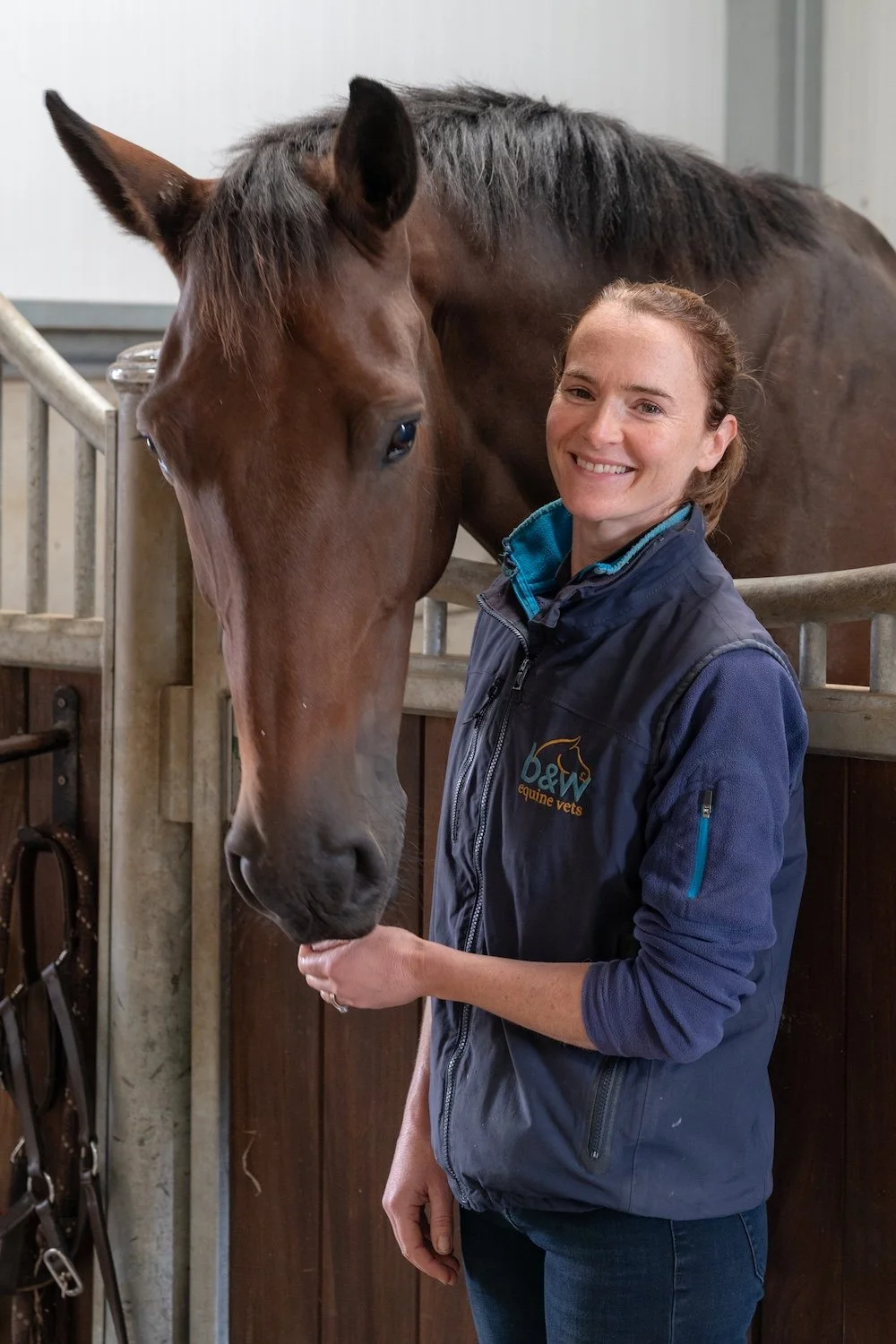
Are sport horses under more pressure than leisure horses, or is that a misconception? In this expert interview, a leading behaviour-focused veterinarian challenges common assumptions about equine welfare across different management systems. From stress and emotional wellbeing to turnout, routine and environmental enrichment, discover how both competitive and amateur horses face unique welfare risks, and what each world can learn from the other.
What do 5* horses actually do when they’re not in the ring?
Ahead of the Rolex Grand Prix in Rome, we caught up with British rider Adrian Whiteway to talk about life behind the scenes at the top level.
From representing Belgium on the world stage to speaking openly about horse welfare and competing at the 2026 World Cup Finals while pregnant, Alexa Fairchild reflects on the horses, partnerships, and values that continue to shape her career in elite dressage.
Are sport horses under more pressure than leisure horses, or is that a misconception? In this expert interview, a leading behaviour-focused veterinarian challenges common assumptions about equine welfare across different management systems. From stress and emotional wellbeing to turnout, routine and environmental enrichment, discover how both competitive and amateur horses face unique welfare risks, and what each world can learn from the other.
Kent Farrington converts his early lead into victory at the Longines FEI Jumping World Cup™ Final in Fort Worth, delivering a controlled final performance to secure the title.
Kent Farrington heads into the final day of the Longines FEI World Cup™ Final in Fort Worth with a clear advantage, but with cumulative scoring and a tightly grouped field, the outcome remains open.
Becky Moody and Jagerbomb convert their Grand Prix lead into victory at the Zen Elite FEI Dressage World Cup Final, delivering a freestyle that combined control with expression in front of a full crowd in Fort Worth.
As equestrian sport faces growing conversations around accessibility, welfare, and public engagement, Racing to School is creating new pathways into racing through education and community connection. In conversation with John Blake, we explore how the programme is helping young people engage with the sport, challenging perceptions around racing, and building a more inclusive future for the industry.
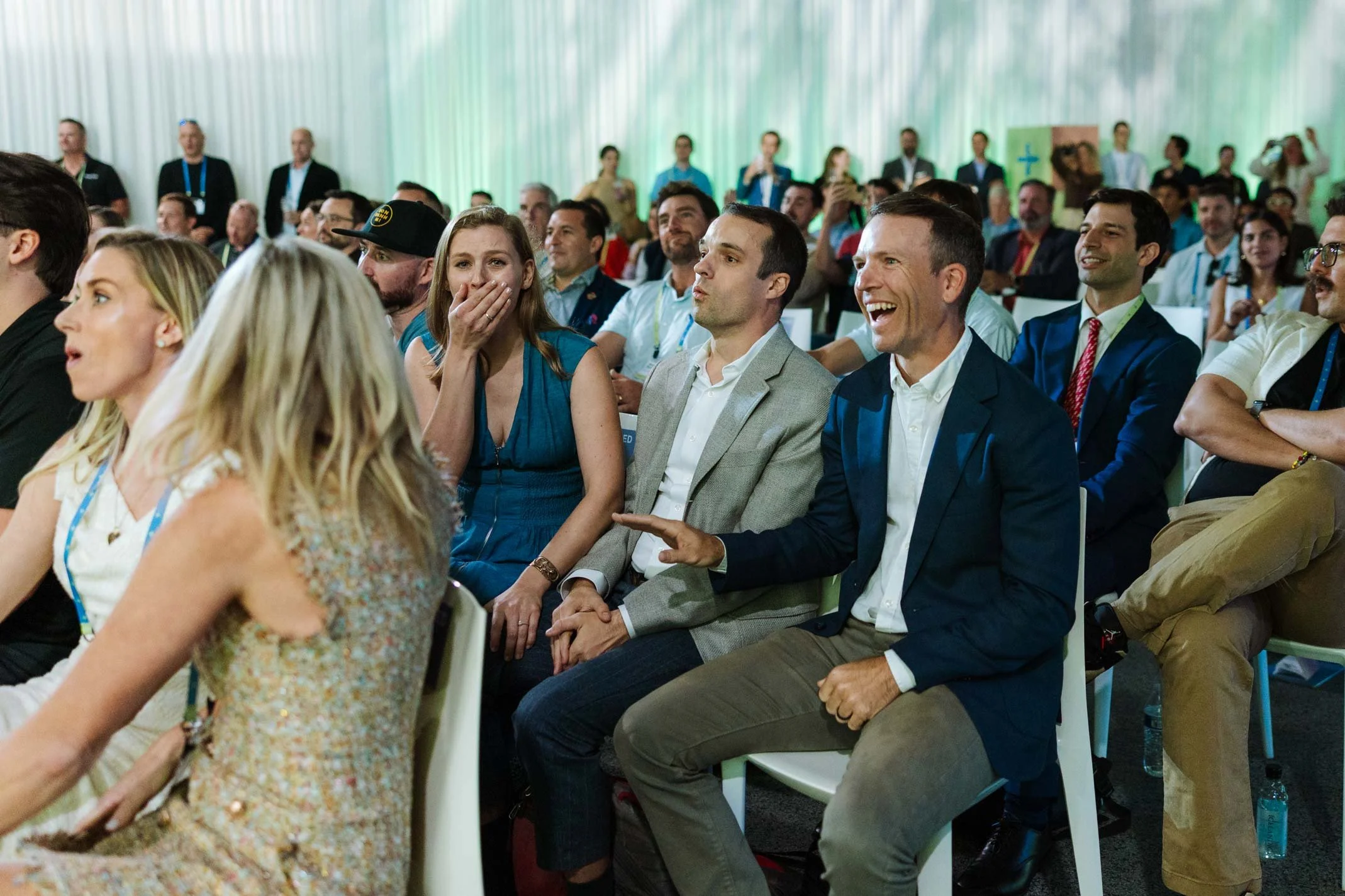
Horse Tech Summit Sweden brings together riders, breeders, veterinarians and tech innovators to explore how practical, incremental innovation is starting to shape the equestrian sector. Led by Fokus Tillväxt Häst, the event focuses on real-world tools, investment, and collaboration already making their way into yards, clinics and businesses.
Backed by Beemok Capital, Meeting Street Capital, SC Launch, Inc., Austin McCombs, and Michael Houck, the Webby Award–winning platform is bringing modern show management software to horse shows of every size.
INDUSTRY UPDATES
A new study examining stress behaviours in dressage horses has found that conflict signals increase as competition level rises, yet scores at medium level and above remain unaffected. The findings add to growing equitation science research suggesting a disconnect between observable welfare indicators and judging outcomes. As debate continues around tack use, competition intensity and performance expectations, the latest evidence invites a closer look at how equine wellbeing is recognised within the modern dressage arena.
Using wearable sensor technology, researchers analysed gait patterns in over 400 horses across three European breeds. The findings challenge traditional assumptions about movement quality, highlight discipline-specific traits, and point towards future applications in genetics, welfare and performance assessment.
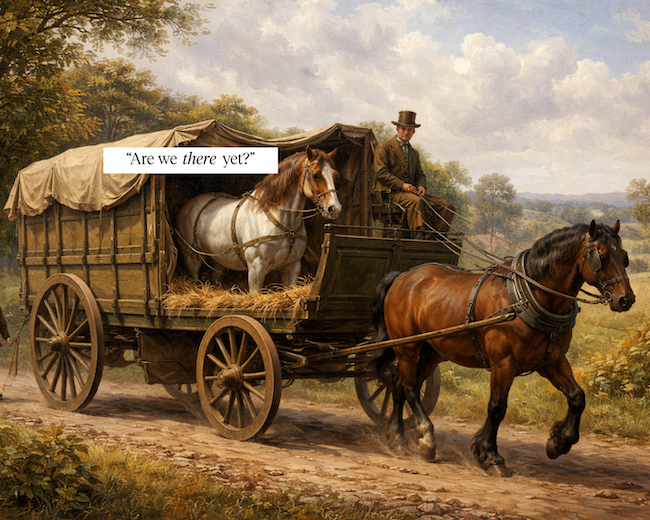
Transportation triggers measurable stress responses in horses, including elevated cortisol and metabolic disruption. New research suggests transdermal melatonin may help reduce some of these effects. This article explores what happens inside a horse’s body during travel, what the latest study reveals, and why careful interpretation is essential before wider adoption.
PERSPECTIVES THAT MATTER*
Behind every cross country track lies a complex balance of welfare, logistics, finance, and public perception. In this behind the scenes conversation, Helen West reflects on the realities of organising modern eventing, the evolution of course design, and the challenges shaping the future of the sport.
FEATURE OF THE MONTH*
What do 5* horses actually do when they’re not in the ring?
Ahead of the Rolex Grand Prix in Rome, we caught up with British rider Adrian Whiteway to talk about life behind the scenes at the top level.